Monitoring & Testing Tools for COPD
The Challenge You Know
Those "how are you feeling?" questions at doctor visits can be frustratingly vague when you're trying to manage COPD day-to-day. You know something feels different - maybe your breathing is more labored this week, or you're waking up more tired - but without concrete data, it's hard to know if you need to adjust your treatment or if this is just a normal fluctuation. Waiting months between appointments to get real measurements of your lung function and oxygen levels means you're often flying blind when making daily decisions about your health.
How Monitoring & Testing Tools Change the Game
Monitoring and testing tools bring the power of medical measurement directly into your home, giving you the same data your healthcare team relies on to make treatment decisions. These devices go far beyond basic symptom tracking, providing objective measurements of lung function, oxygen saturation, and respiratory patterns that help you understand what's really happening with your condition.
Unlike guessing based on how you feel, home monitoring tools provide concrete numbers that both you and your healthcare team can act on. They help you catch changes early, track how well treatments are working, and give you confidence in knowing when symptoms warrant attention versus when they're within your normal range. Think of them as your personal health dashboard - turning subjective feelings into actionable medical data.
What's Available in This Category
The monitoring and testing category includes several essential types of diagnostic tools for home use:
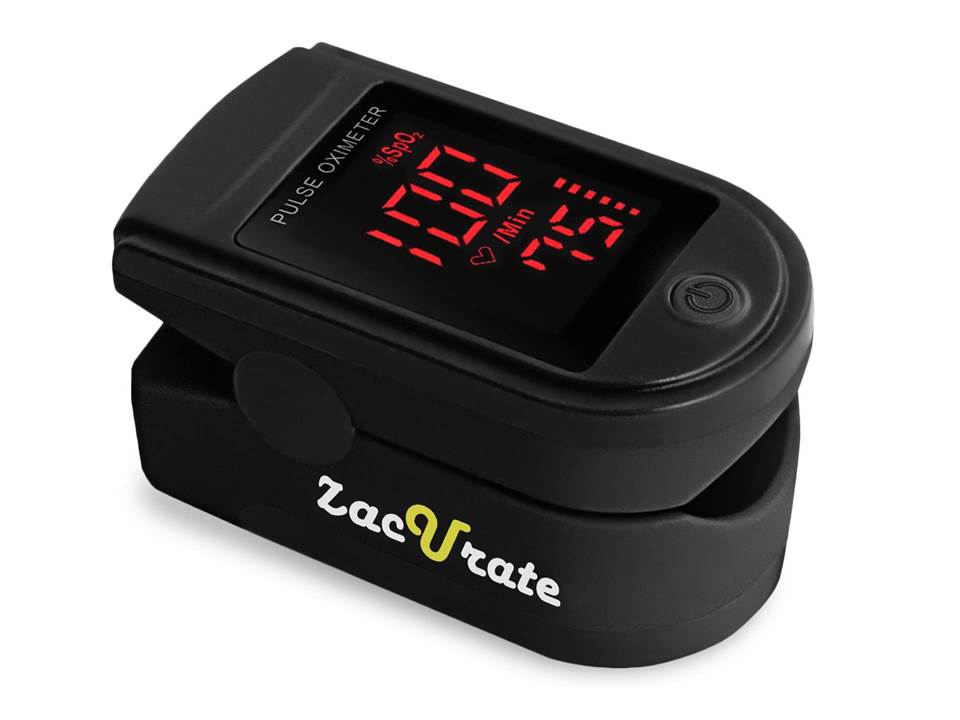
• Pulse Oximeters measure blood oxygen saturation and heart rate, providing instant feedback on how well your lungs are delivering oxygen to your body
• Peak Flow Meters assess lung function by measuring how fast you can exhale, helping track daily variations in breathing capacity
• Spirometers offer more comprehensive lung function testing, measuring various aspects of breathing strength and capacity
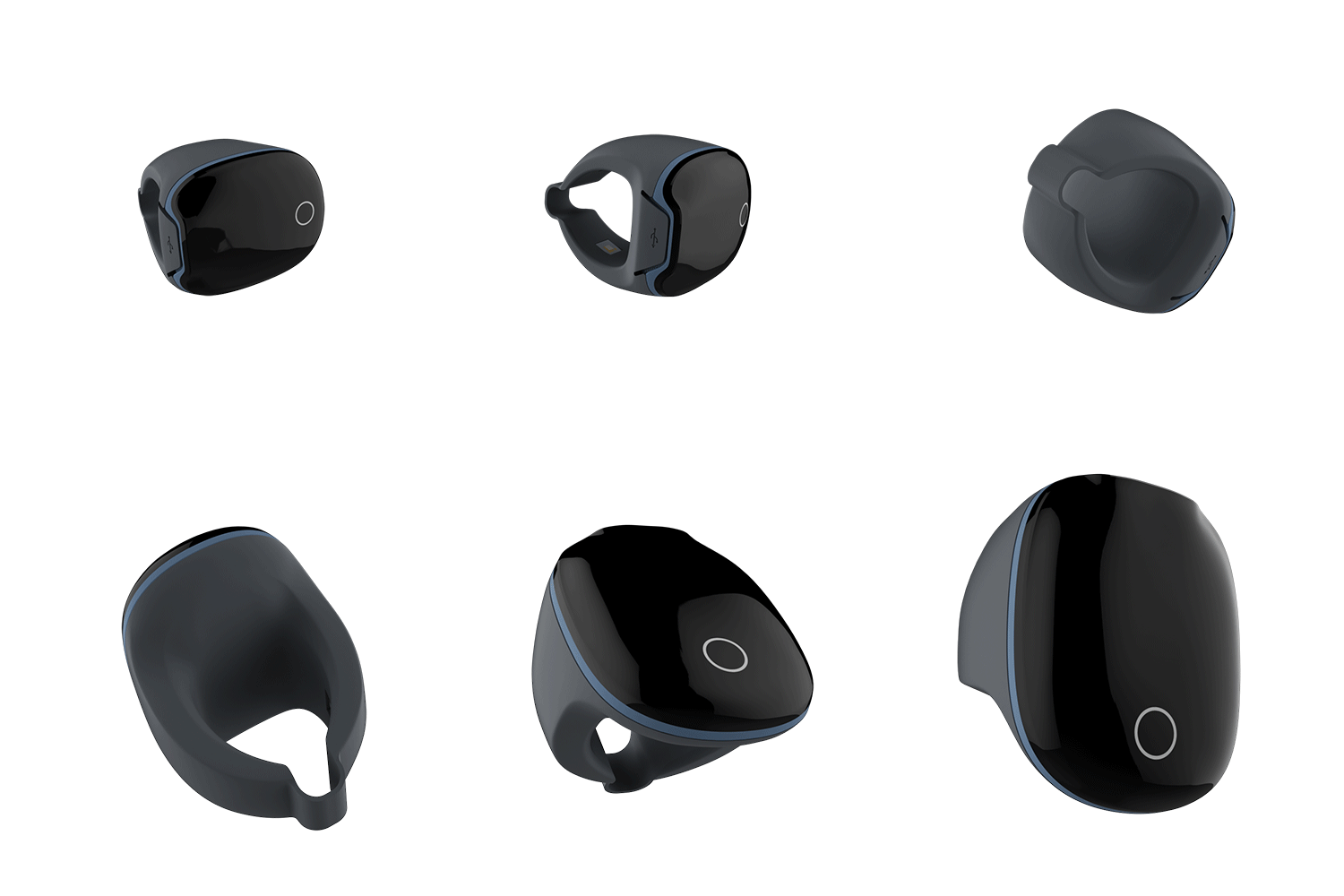
• Continuous Monitoring Devices track oxygen levels, heart rate, and breathing patterns over extended periods, especially during sleep
💡 Pro Tip: Look for devices that store historical data - trends over time are often more valuable than single readings when managing COPD.
Many modern monitoring tools also include smartphone connectivity, allowing you to easily share data with your healthcare team and track patterns over weeks or months. The best devices balance medical-grade accuracy with user-friendly design, recognizing that consistent monitoring requires tools that are simple enough to use daily.
Finding Your Perfect Match
The right monitoring tools depend on your COPD stage, symptoms, and what you and your healthcare team most need to track. For most COPD patients, a reliable pulse oximeter is essential - it provides immediate feedback on oxygen levels and can alert you to changes that need attention.
If you experience frequent flare-ups or your doctor wants to track lung function changes, peak flow meters or portable spirometers can provide valuable daily measurements. Those with sleep-related breathing issues often benefit from overnight monitoring devices that track oxygen drops and breathing interruptions.
⭐ Key Insight: The most effective monitoring routine combines devices that match your specific symptoms with your willingness to use them consistently. Start with one essential tool and add others as your monitoring routine develops.
Ready to Explore
Browse our monitoring and testing directory to find diagnostic tools selected specifically for home COPD management. Each device has been evaluated for accuracy, ease of use, and features that provide the most valuable data for respiratory health tracking.
[Discover Monitoring & Testing Tools →] | [Browse All COPD Tools →]
Want to learn more about effective monitoring? Check out our blog articles on How to Use a Pulse Oximeter Correctly at Home and Best COPD Monitoring Devices: 8 Essential Tools for detailed guidance on getting the most from your monitoring routine.