Sleep Tracking Devices
What Your Sleep Can't Tell You (But Your Data Can)
You wake up exhausted. Again. Was it the coughing that kept you up? Did your oxygen levels drop during that restless stretch around 2 AM? Without data, your sleep becomes a mystery wrapped in fatigue. For people with COPD, understanding what happens during those crucial 7-8 hours isn't just curiosity - it's essential health intelligence that can prevent complications, optimize therapy, and transform the quality of your rest.
Beyond Counting Sheep: The Science of COPD Sleep Monitoring
Sleep tracking devices for COPD patients represent a quantum leap beyond basic fitness trackers. While standard devices might count steps and estimate sleep stages, COPD-specific sleep monitoring technology dives deep into respiratory metrics that matter for lung health.
These sophisticated systems continuously monitor oxygen saturation (SpO2), breathing irregularities, heart rate variability, and movement patterns - creating a comprehensive picture of your respiratory health during sleep. The critical difference is clinical-grade accuracy combined with overnight endurance and specialized algorithms designed to detect COPD-specific sleep disturbances.
This data becomes your sleep story - revealing patterns like nocturnal oxygen desaturation (when levels drop below 88% for extended periods), identifying sleep apnea overlap syndrome, and tracking how treatments affect your nighttime breathing quality.
💡 Did You Know? Research shows 27-70% of COPD patients experience dangerous nighttime oxygen drops, even when daytime levels appear normal. Advanced sleep tracking can catch these hidden risks early.
Your Sleep Monitoring Technology Toolkit
Wearable Sleep Trackers with COPD Features
Advanced fitness trackers equipped with medical-grade SpO2 sensors, heart rate monitoring, and respiratory rate tracking. These lightweight, comfortable devices provide continuous monitoring without disrupting sleep, featuring extended battery life and smartphone integration for easy data review with healthcare providers.
Bedside Sleep Monitoring Systems
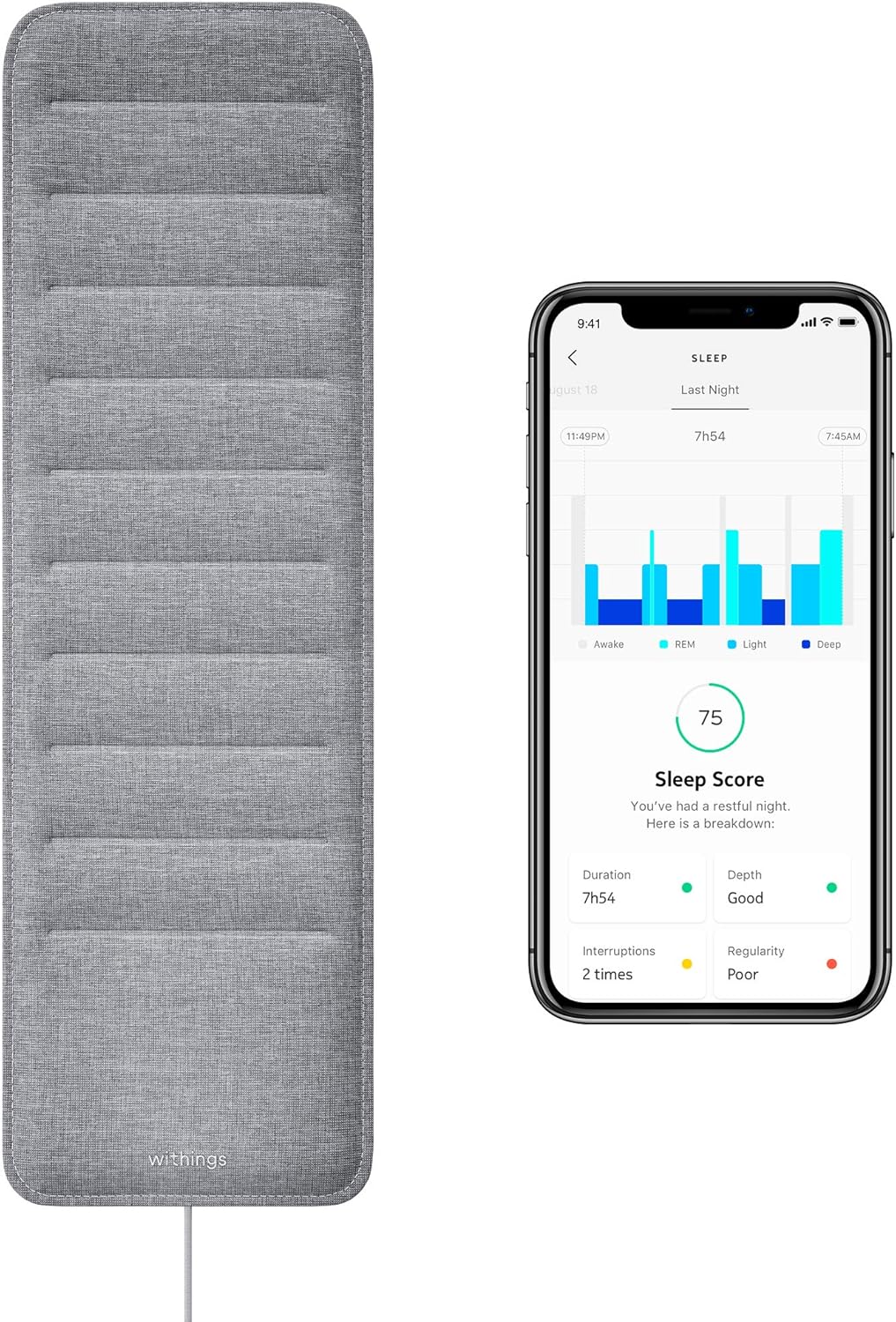
Non-contact monitoring solutions that track breathing patterns, movement, and environmental factors from your nightstand. These systems eliminate the need for worn devices while providing detailed sleep architecture analysis and real-time alerts for significant oxygen level changes or breathing irregularities.
Overnight Pulse Oximetry Devices
Specialized overnight oximeters designed for extended COPD monitoring, featuring comfortable ring or fingertip designs with data logging capabilities. These devices focus specifically on detecting nocturnal hypoxemia and provide detailed oxygen desaturation reports that healthcare providers use to optimize oxygen therapy.
Integrated Sleep & Therapy Monitoring
Smart systems that work alongside CPAP machines, oxygen concentrators, or nebulizers to provide comprehensive sleep therapy tracking. These devices monitor both your physiological responses and equipment performance, ensuring optimal treatment delivery throughout the night.
⭐ Technology Tip: Look for devices with "clinical validation" certification - this ensures the accuracy needed for meaningful health decisions, not just general wellness tracking.
Matching Technology to Your Monitoring Goals
Start with your biggest sleep concern. If morning headaches or unexplained fatigue are your primary issues, prioritize devices with robust overnight oxygen monitoring. If sleep apnea is suspected alongside COPD, focus on systems that can differentiate between respiratory events and COPD-related breathing changes.
Consider your comfort with technology. Some people prefer the simplicity of dedicated overnight oximeters, while others appreciate the comprehensive data from multi-function wearable devices. The best monitoring system is one you'll actually use consistently - comfort, battery life, and ease of data review matter as much as technical capabilities.
Think integration with your care team. Devices that easily share data with healthcare providers or integrate with medical records systems can streamline your COPD management and lead to more informed treatment adjustments.
Start Monitoring, Start Improving
Discover the sleep tracking technology that reveals what's really happening during your rest. Our Sleep Tracking Devices collection features clinically-validated monitoring solutions selected specifically for COPD patients' unique sleep health needs.
Browse Sleep Tracking Devices →
Explore All Sleep & Comfort Solutions →
View Connected Health Devices →
Ready to decode your sleep patterns? Learn about the warning signs in our guide to Signs of Nocturnal Oxygen Desaturation in COPD and discover how to choose the right monitoring device in our Fitness Trackers for COPD: Complete Buying Guide.